

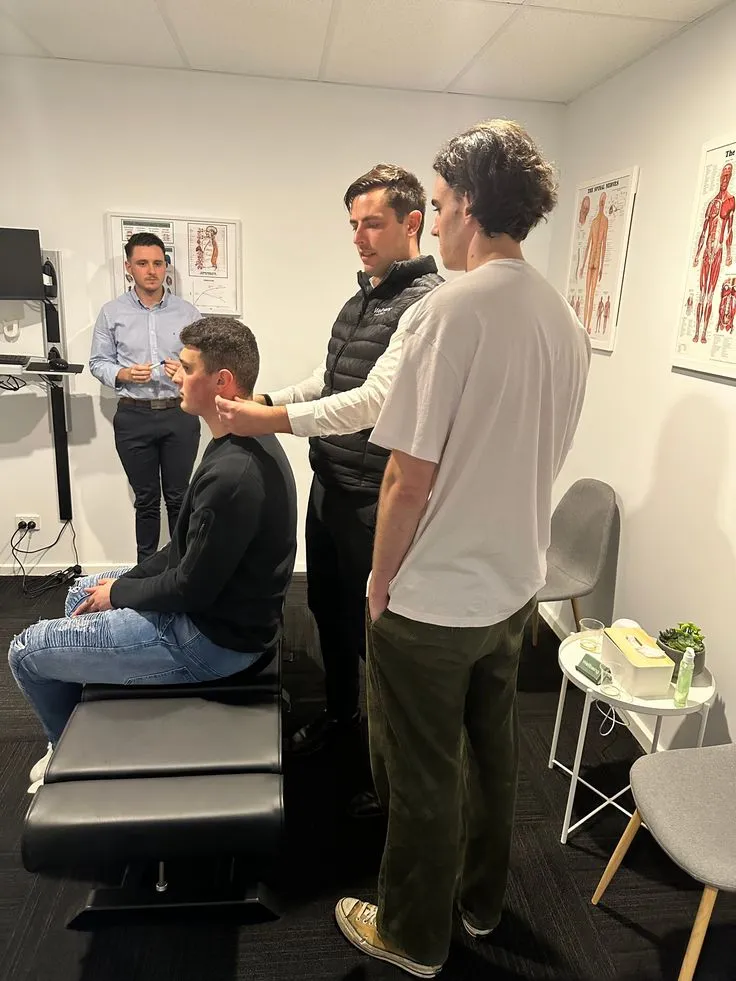
Visiting a chiropractor for the first time can raise several questions, particularly when someone is unfamiliar with musculoskeletal healthcare. Patients may wonder what examinations involve, whether treatment begins immediately, and how their symptoms will be assessed. Those searching for a Chiropractor Ancaster Ontario can benefit from understanding the consultation process before arranging an appointment.
A first visit should focus on identifying concerns, reviewing medical history, and discussing appropriate care options. Preparing relevant information beforehand allows patients to communicate clearly and participate in decisions about their physical well-being.
Preparing Your Medical History Beforehand
A useful starting point is recording when symptoms began and how they affect everyday activities. Patients can note whether discomfort appeared gradually, followed an injury, or changes during particular movements. Previous episodes may also provide valuable information.
Medical conditions, medications, surgeries, and earlier treatments should be discussed during the appointment. Patients with relevant imaging reports or specialist assessments may bring these documents for review. Providing accurate information helps the practitioner evaluate possible contributing factors and identify situations requiring additional medical investigation.
Understanding the Initial Clinical Discussion
A qualified Hamilton Chiropractor generally begins by asking about current concerns, previous injuries, lifestyle habits, and treatment expectations. This conversation helps determine whether symptoms suggest a musculoskeletal condition suitable for chiropractic assessment.
Patients should explain how their symptoms influence work, sleep, exercise, or household responsibilities. For example, difficulty turning the head while driving may be more informative than describing neck stiffness alone. Discussing these limitations helps establish practical treatment goals and provides a clearer understanding of the patient’s individual needs.
Knowing What Happens During Examination
A physical examination may involve assessing joint mobility, muscular function, movement patterns, and neurological signs. Depending on the symptoms, the practitioner may ask patients to perform simple movements or explain whether particular positions increase discomfort.
Not every patient requires identical testing. Diagnostic imaging may be considered when clinical findings indicate a specific need, but routine X-rays are not recommended for every uncomplicated back or neck complaint. Patients should understand why any investigation is suggested and how the results might influence subsequent decisions.
Discussing Available Treatment Approaches
Following an assessment, the chiropractor should explain the findings and discuss reasonable management options. Depending on the condition, care may include manual therapy, mobility exercises, activity advice, or recommendations for modifying physically demanding tasks.
Treatment should reflect individual circumstances rather than follow an identical routine for everyone. Patients may also benefit from physiotherapy, medical assessment, or exercise-based rehabilitation. A responsible practitioner recognises when another healthcare service may provide more appropriate support and discusses available alternatives without creating unrealistic expectations.
Understanding Informed Consent and Safety
Before treatment begins, patients should receive information about its intended purpose, potential benefits, relevant risks, and available alternatives. Informed consent is an ongoing conversation rather than simply signing a document at the beginning of an appointment.
This discussion is particularly important when spinal manipulation is proposed. Certain techniques, including those involving the neck, carry specific risks that should be explained. Patients can request clarification, decline an intervention, or discuss alternative approaches. Their preferences and medical circumstances must remain central to treatment decisions.
Establishing Meaningful Recovery Goals
Progress is easier to evaluate when treatment goals reflect activities that matter to the patient. Someone experiencing lower back discomfort might want to resume gardening, while another person may hope to return comfortably to recreational exercise.
Improvement does not always mean complete symptom elimination. Greater mobility, increased activity tolerance, and reduced interference with daily routines can also indicate meaningful progress. Establishing these measures at the beginning of care allows patients and practitioners to evaluate whether the treatment plan remains appropriate.
Considering Follow-Up and Home Recommendations
Some patients may receive exercises or movement recommendations to practise between appointments. These should match their physical abilities, examination findings, and current symptoms. Instructions should be clear enough for patients to understand their intended purpose.
Follow-up visits should include opportunities to review progress and reconsider treatment when necessary. If symptoms worsen or remain unchanged, further assessment or referral may be appropriate. Patients can ask how long a proposed treatment trial should continue and what findings would justify changing the approach.
Conclusion
Preparing for a first chiropractic consultation helps patients approach musculoskeletal healthcare with clearer expectations. Understanding the assessment process, asking about treatment alternatives, and identifying meaningful goals can support informed decision-making. Communication and appropriate clinical reassessment remain important throughout care.
For individuals exploring chiropractic services in Hamilton and surrounding communities, drbarryyoung.com provides information about Absolute Chiropractic and Wellness. Reviewing the clinic’s services before an appointment can help patients prepare relevant questions and better understand the available options for addressing their musculoskeletal concerns.